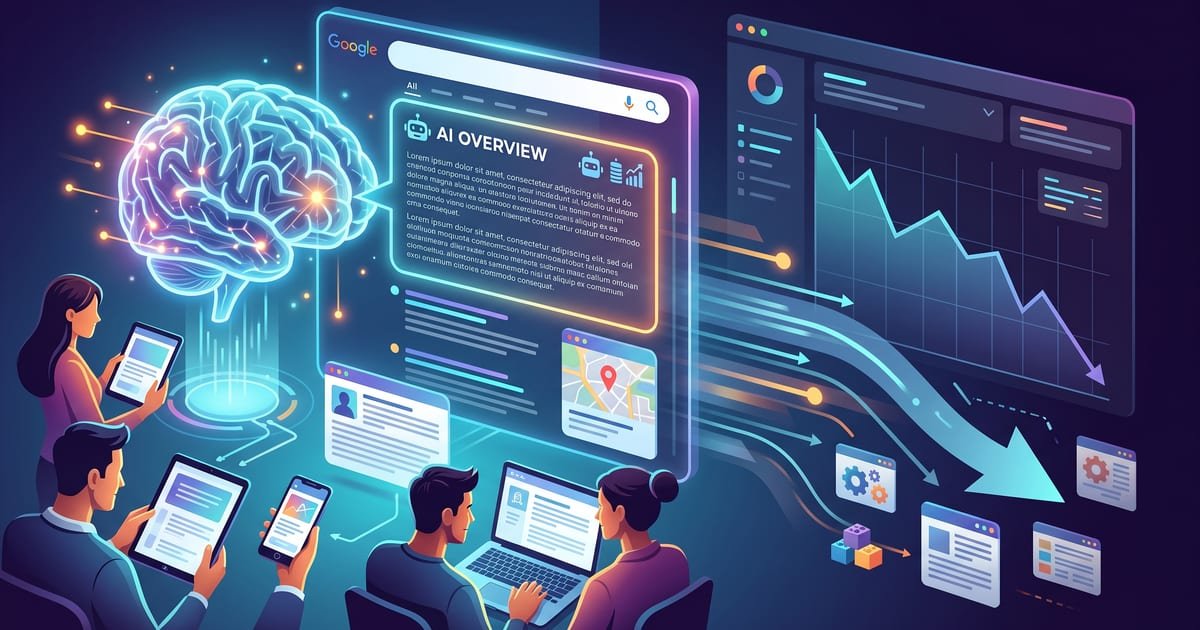
If your website traffic has slipped over the past year, you are not imagining it, and you probably did not do anything wrong. The way people search changed. Google now answers many questions right on the results page with an AI Overview, and other AI tools answer them before a person ever visits a website. That means fewer clicks reach sites that used to rank just fine.
The good news: this is fixable, and most of your competitors are ignoring it. Here is what is happening and what to do about it.
The short version
People still search as much as ever. They just click less, because AI now answers the question for them. To keep getting traffic, your site has to become the source the AI quotes and the result people still want to click. That is a shift in how you write and structure your site, not a reason to give up on search.
What is actually happening
For years, ranking on page one of Google meant steady visits. Now a growing share of searches end without a single click, because the answer sits at the top of the page or inside a chatbot. Add AI Overviews, more ads, and map results, and your organic listing gets pushed further down.
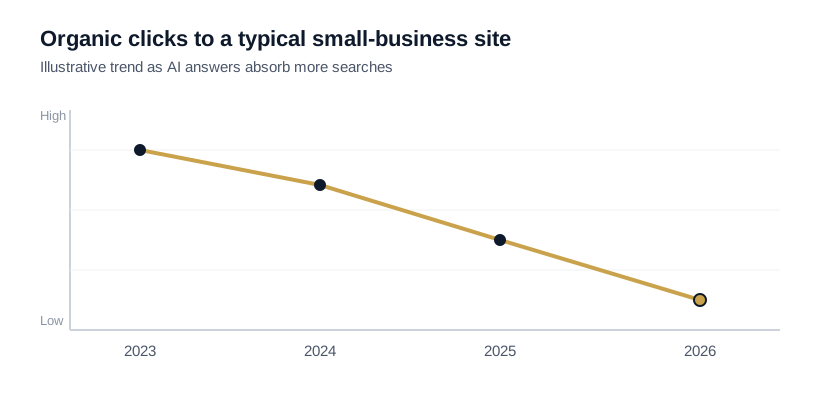
The drop is rarely about your site getting worse. It is about the results page giving people less reason to leave it.
Where did the clicks go?
Two places. First, AI Overviews and answer boxes at the top of Google. Second, AI assistants like ChatGPT, Gemini, and Perplexity, where people ask a question and get a written answer with a few cited links. In both cases, the search happens, but the click does not, unless you are the source being shown.
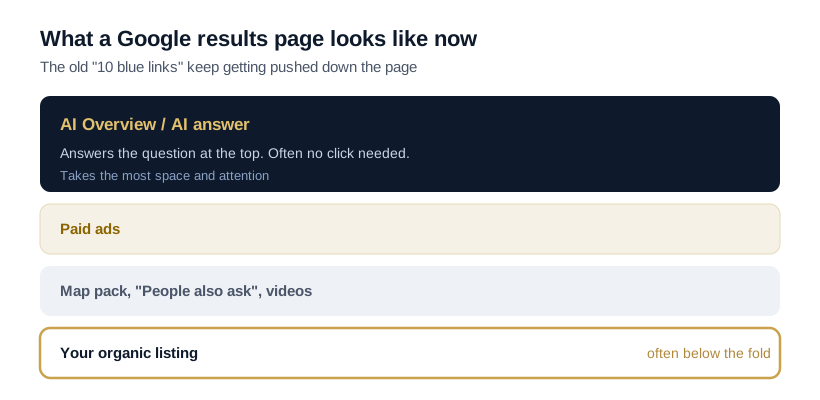
This is why two businesses with similar rankings can see very different results now. The one written in a way AI can quote gets surfaced and cited. The other slowly fades, even while technically still ranking.
This does not mean SEO is dead
It means SEO grew a second half. Classic SEO still matters: a fast, mobile-friendly site with clear titles and real content is the foundation. On top of that sits GEO, or Generative Engine Optimization, which is about getting your site understood and quoted by AI. If you want the full background on that, see our guide on what GEO is and how it works.
The businesses winning right now do both. They keep the SEO basics solid and make their content easy for AI to lift and cite.
What to do about it
You do not need a huge budget. You need to make your site the clearest, most quotable answer in your niche.
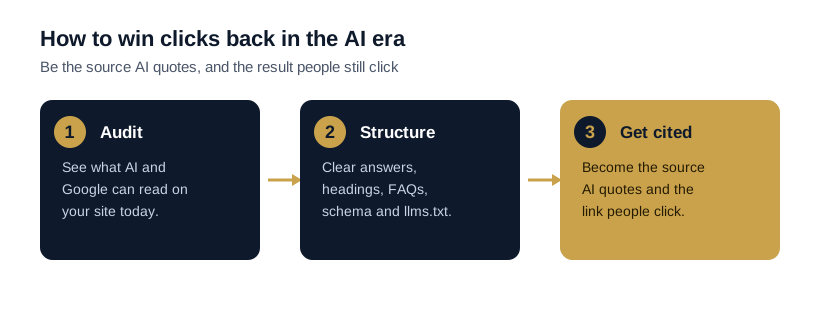
Practical moves that work:
- Answer real questions directly. Lead each page with a one or two sentence answer to the question it targets. AI lifts those clean, self-contained passages.
- Use clear structure. Descriptive headings, short paragraphs, and FAQ sections give AI and readers easy chunks to pull from.
- Add the technical signals. Schema markup, a clean sitemap, and an llms.txt file help AI tools read and trust your site. We build these into every site as part of our SEO and GEO service.
- Show you are credible. Real reviews, named authors, and specific results make both Google and AI more willing to cite you.
- Cover local and specific intent. Long, specific queries (“emergency plumber in Pasadena”) still drive clicks, because people who search them want to act, not just read an answer.
Signs AI search is costing you traffic
- Rankings look stable but visits and leads are down.
- You see your topic answered in an AI Overview when you search it.
- Competitors you have never heard of show up in ChatGPT answers.
- Your best blog posts get fewer clicks than a year ago.
If two or more of those sound familiar, AI search is quietly eating into your traffic.
The takeaway
Search did not disappear, it changed shape. The winners are the sites that are fast, clear, credible, and written so AI can quote them. That is exactly the work we do, and most small businesses have not started yet, which is the opportunity.
Want to know how your site reads to Google and AI right now? Run our free website audit for an instant check, or get a free quote and we will map out how to win your traffic back.